


Trauma therapy
Specialized trauma therapy for individuals and families in New York
Living in New York City, life moves fast, but trauma can stop you in your tracks. You are jogging down the stairs to the subway, and suddenly, out of nowhere, your brain flashes to the traumatic memories of the worst experience of your life. Or you're walking down a crowded sidewalk and your chest gets tight and you start having a panic attack in public. Or you haven't been to what used to be your favorite neighborhood in months because of what happened there. Or maybe your trauma symptoms are more internalized - like avoiding thinking about it at all, feeling totally disconnected from the world around you, or trouble sleeping most nights.
Trauma can be caused by a number of shocking, scary, or dangerous events. These events could have occurred long ago, even back to childhood, or more recently, and can include childhood abuse, violence, abuse or loss, domestic violence, childhood trauma, a natural disaster, or even exposure to long-term stress. Symptoms of trauma can range in intensity from mild to severe, and may interfere with daily life, relationships, and overall well-being. However, therapy offers hope and healing. At the New York City Psychotherapy Collective, our trauma therapists are here to guide you through this process. By working with a trained mental health professional, you can start your journey to trauma recovery.


TRUSTED MENTAL HEALTH EXPERTSMeet 5 top-rated NYC trauma therapists
We’re proud to introduce our trauma therapists, each bringing unique skills and perspectives to help you on your healing journey. Our team is experienced in treating various forms of trauma, including PTSD, childhood abuse, and complex trauma. All of our therapists use evidence based treatment to build coping strategies in your healing process, and each therapist takes a holistic approach to your mental health counseling experience. Our extensively trained, expert therapists treat trauma by creating a safe environment, understanding your family dynamics, unpacking your traumatic experience, helping you learn strategies to increase your self compassion, teaching you relaxation methods, and providing you with evidence based approaches so that you can feel confident that the benefits of your trauma therapy will be safe, effective, and long-lasting.
-
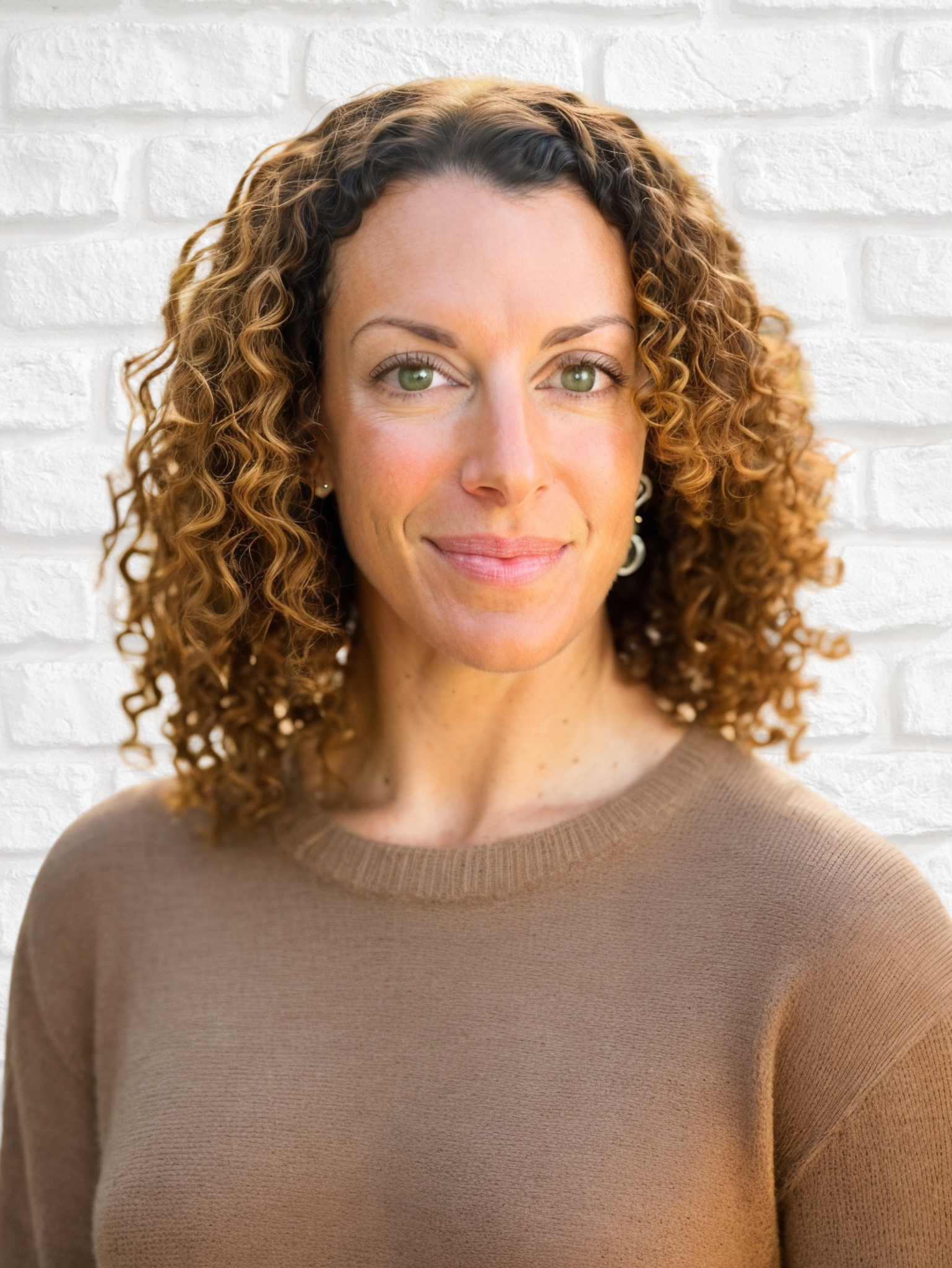
As a therapist, Laina brings over 15 years of counseling experience, specializing in helping clients navigate the challenges of both historical and recent traumas, including sexual violence, as well as major life transitions. Laina's clients are often dealing with varying levels of anxiety, sadness, and disconnection, which can hinder their ability to sustain relationships, feel successful in their endeavors, set boundaries, find joy, or revel in the fullness of a life that integrates their whole self. Laina's approach focuses on helping clients understand and process their experiences, empowering them to regain control over their lives.
-
Credentials: Licensed Clinical Social Worker (LCSW)
Education: MSW, University of Albany
Specialties: Sexual Trauma, Anxiety, and Depression
Modalities Used: Internal Family Systems (IFS), Trauma-Focused Cognitive Behavioral Therapy (TF-CBT), Dialectical Behavior Therapy (DBT), Schema Therapy, Compassion-Focused Therapy (CFT), Cognitive Processing Therapy (CPT), Polyvagal and Somatic Experiencing
Laina Mason, LCSW

-
Therapy with me is an open, collaborative partnership where you’re always in the driver’s seat—because real healing happens on your terms and at your own pace.
Trauma doesn't always look like one big event; it often shows up in daily life as a persistent state of high alert, chronic self-doubt, or feeling emotionally exhausted and disconnected from the world around you. If past experiences are throwing off your focus, disrupting your sleep, or making it hard to feel fully present in your relationships, you don't have to navigate that alone. I combine Person-Centered Therapy with Cognitive Behavioral strategies to help you break down overwhelmed patterns, process stored distress, and learn practical tools to restore balance to your nervous system. Together, we’ll construct a secure space where you can safely process what you've been carrying, establish firm boundaries, and reclaim a genuine sense of safety and confidence.
-
Credentials: Licensed Mental Health Counselor (LMHC)
Education: MA, Baruch College
Specialties: Trauma, Anxiety, Relationships, Transitions, Boundaries
Modalities Used: Cognitive Behavioral Therapy (CBT), Person-Centered Therapy, Mindfulness-Based Therapy, Psychodynamic
Allison Soss, LMHC
-
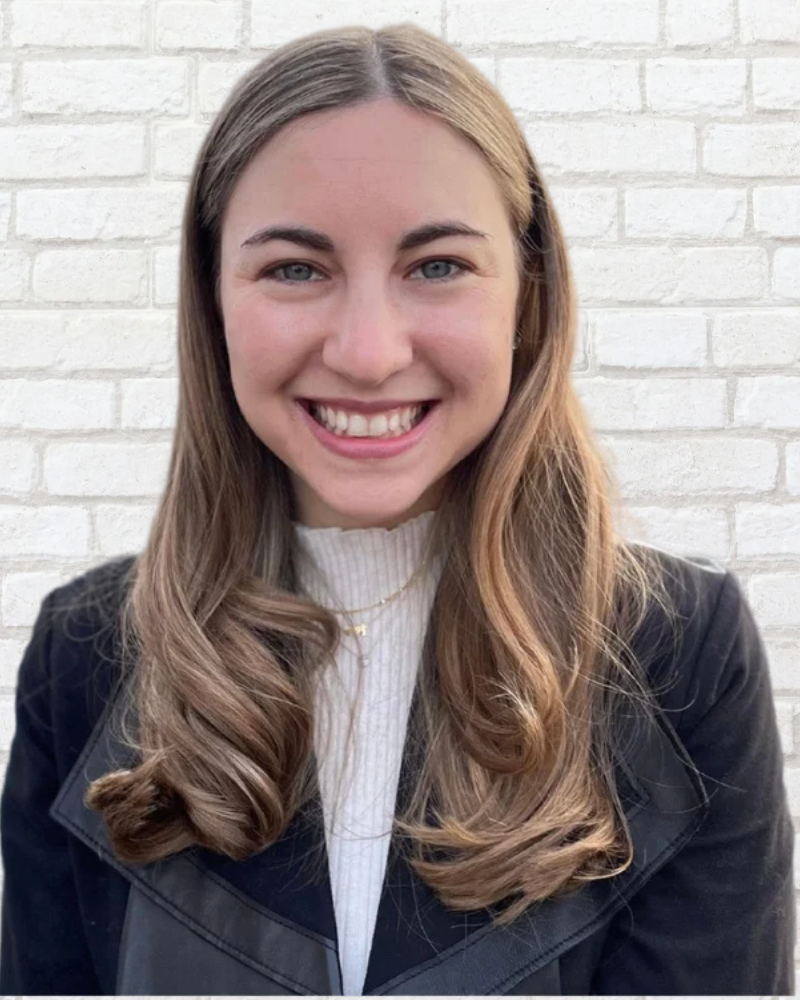
Therapy with me is warm, down-to-earth, and completely judgment-free—a safe space to unpack heavy things without having to filter yourself. Outside of sessions, I’m usually spending time with my two boys, baking something sweet, or getting a quick workout in.
When you're carrying the weight of past trauma, everyday life can feel like an uphill climb. It often shows up as being on constant guard, feeling easily overwhelmed by stress, or struggling to feel genuinely comfortable in social settings and relationships. I specialize in helping young adults understand these automatic survival reactions by blending trauma-responsive care with practical, real-world skills from DBT and CBT. Together, we’ll work on calming your nervous system, untangling difficult emotional loops, and equipping you with tangible techniques to manage overwhelming moments. My goal is to support and empower you as you reclaim your peace, strengthen your boundaries, and move forward feeling resilient and grounded.
-
Credentials: Licensed Clinical Social Worker (LCSW)
Education: MSW, Columbia University School of Social Work
Specialties: Trauma, Social Stressors, Anxiety, Depression, Relationships
Modalities Used: Cognitive Behavioral Therapy, Dialectical Behavioral Therapy, Motivational Interviewing and Trauma-Informed Therapy
Elizabeth Kaplan, LCSW

-
Therapy with me is warm and supportive—a comfortable, grounded space where you can show up exactly as you are and feel genuinely understood. When I'm not in the therapy room, I love traveling, exploring new cultures, and getting to know new places.
Carrying unresolved trauma can leave you feeling perpetually on edge, emotionally drained, or caught between trying to process your own distress and managing the expectations of those around you. As a bilingual Latinx therapist, I deeply understand how cultural pressures, family dynamics, and trauma overlap—often creating a silent burden where you feel obligated to hold everything together for everyone else. My approach integrates psychodynamic reflection with CBT to help you make sense of how earlier life experiences shape your current stress responses, while equipping you with concrete tools to navigate anxiety and set healthy boundaries. Together, we will gently process painful experiences at a pace that feels safe, helping you break free from survival mode, honor your authentic identity, and regain control over your life and future.
-
Credentials: Licensed Mental Health Counselor (LMHC)
Education: MA, CUNY Baruch College
Specialties: College Students, Young Adults, Anxiety, Trauma, BIOPC Experience,
Modalities Used: Cognitive Behavioral Therapy, Psychodynamic Therapy
Julia Laplaza, LMHC
-
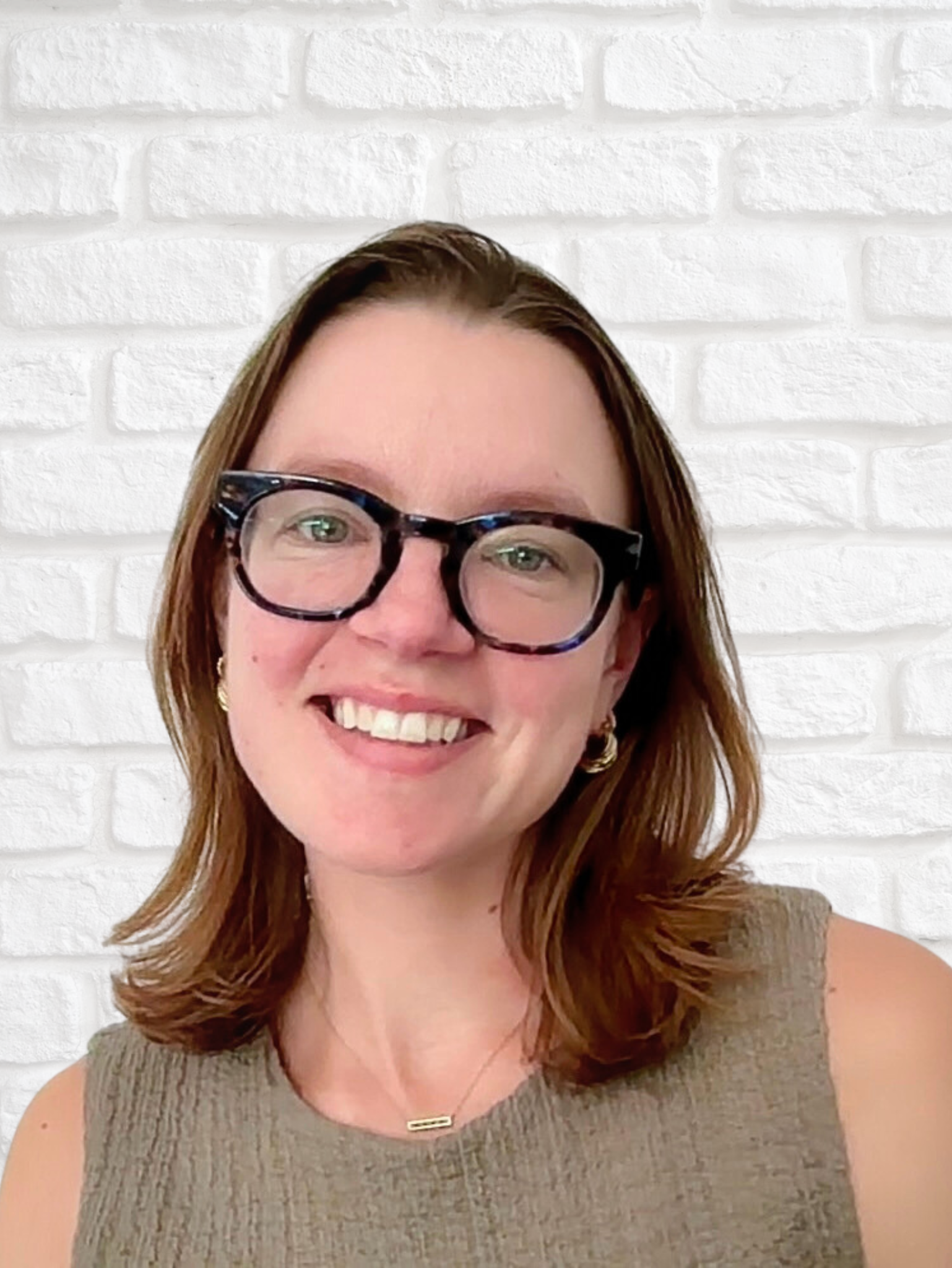
Therapy with me is respectful, judgment-free, and grounded in the belief that humor and levity are essential parts of the healing process. Outside of sessions, I’m a big believer in finding moments to laugh and reset.
Navigating life after traumatic events can leave you feeling perpetually burnt out, alienated from your physical self, and caught in a loop of second-guessing your every move. For LGBTQIA+ and women-identifying young adults, managing this hidden weight alongside everyday pressures makes finding true calm feel out of reach. In our work, I use a culturally responsive, trauma-informed lens that draws from Internal Family Systems (IFS), Narrative Therapy, and mindfulness. Rather than treating your responses as flaws, we’ll look at them as protective tools that kept you safe, then work on shifting the internal stories that no longer serve you. Together, we’ll practice body-based grounding skills to navigate intense moments, construct firm personal boundaries, and establish a genuine sense of safety from the inside out.
-
Credentials: Licensed Master Social Worker (LMSW)
Education: MSW, Columbia School of Social Work
Specialties: Trauma, Women, LGBTQIA+, Stress, Anxiety
Modalities Used: Internal Family Systems Therapy (IFS), Cognitive Behavioral Therapy (CBT), Narrative Therapy, and Mindfulness
Maggie McCarthy, LMSW
Success stories
Over the years, we’ve seen incredible transformations in our clients.
One of our clients came to us after experiencing significant childhood trauma, leading to trust issues and emotional numbing. They were diagnosed with Post-Traumatic Stress Disorder (PTSD) and struggled with hypervigilance, intrusive memories, and difficulty forming close relationships due to a fear of being hurt or abandoned.
Using Cognitive Behavioral Therapy (CBT), the client worked on identifying and challenging negative thought patterns that were reinforcing their emotional distress. Through techniques like cognitive restructuring and exposure therapy, they began to develop more balanced beliefs about themselves and others. They also re-engaged in meaningful activities, helping them reconnect with their emotions and form healthier relationships. As a result, CBT allowed them to overcome the emotional barriers created by their past, regaining a sense of self-worth and improving their quality of life.
Another client, after experiencing a traumatic accident, was diagnosed with Post-Traumatic Stress Disorder (PTSD) and struggled with physical tension, panic attacks, and intrusive flashbacks. Despite previous therapy, they continued to experience chronic muscle tightness and heightened anxiety.
Through Somatic Therapy, they learned to release the tension stored in their body and manage their stress responses. By incorporating body awareness exercises, breathing techniques, and gentle movement, the client experienced significant relief. Over time, they reduced their anxiety and developed a deeper connection between their mind and body, leading to improved emotional and physical well-being.
Finally, we have also successfully worked with clients experiencing CPTSD, or complex post traumatic stress disorder. Complex post-traumatic stress disorder (CPTSD) can develop from prolonged exposure to traumatic events, like chronic childhood abuse or domestic violence. While closely related to PTSD, CPTSD presents with distinct symptoms. The key differences between these two conditions lie in the duration of the trauma and the specific symptoms experienced.
In addition to the PTSD symptoms listed above, people with CPTSD typically experience ongoing issues with emotion regulation, identity/sense of self, and relationships. Sometimes, clients can self-medicate to numb the memories and pain, resulting in substance abuse, eating disorders, or other behavior that negatively impact their physical health. According to the ICD-11, complex PTSD include the core symptoms of PTSD, but also includes:
Intense emotional responses, like frequent outbursts of anger and aggression in response to negative experiences or emotions.
A persistent belief in one's own inadequacy and unworthiness, often accompanied by feelings of shame and guilt.
Significant challenges in forming and maintaining healthy, fulfilling relationships with others.
One of our clients came to us after learning about CPTSD in a professional development session at their workplace and recognized many of the symptoms in their own life, due to their prolonged childhood trauma and emotional neglect. The client identified that they often shoved their feelings deep down, especially negative feelings, and prioritized everyone else's needs above their own to try to prevent anyone from ever being mad at them or leaving them. This led to many unfulfilling relationships in the client's life where they were always giving to others but never asking for or accepting anything in return, yet resenting others for not seeing their deep rooted pain and desire for love. This dynamic had a deeply negative impact on their emotional wellbeing, preventing them from pursuing the fulfilling life they desired and deserved.
Through a combination of effective treatments like Trauma-Focused Cognitive Behavioral Therapy (TF-CBT), Cognitive Processing Therapy (CPT), and inner child work, this client learned how their body responds to trauma and stress, how to manage those symptoms, and how to identify and reframe their problematic thinking patterns. Through body awareness exercises, breathing techniques, and gentle movement, they learned to release physical tension and manage stress. Once the client felt more in control of their body, they were able to address the distressing and problematic thoughts and feelings that had developed since the trauma, which led to a significant reduction in anxiety and a deeper mind-body connection, allowing the client to begin practicing setting boundaries in their life.
-
A trauma therapist undergoes specialized training in handling trauma-specific cases, making them adept at using modalities like trauma-focused CBT. Our therapists are specifically trained to work with trauma survivors, offering you a safe and supportive space.
-
While different approaches work for different people, EMDR, CBT, and Somatic Therapy have all been shown to be effective in treating trauma. At New York City Psychotherapy Collective, we work with you to find the right method that suits your needs.
-
Trauma therapy can help reduce symptoms of PTSD, improve emotional regulation, and enhance your overall quality of life. While results may vary, starting the journey of healing is a brave and rewarding step toward reclaiming your life.
FAQs about trauma therapy
How to get started
Contact Us: Reach out to schedule an initial consultation.
Initial Assessment: During the first session, we’ll assess your needs and create a tailored treatment plan
Begin Therapy: Start working with your therapist to achieve your goals

You’re more than your trauma. Start healing today.
At New York City Psychotherapy Collective, we believe that your trauma does not define you. Take the first step toward healing by contacting us today. Together, we can help you build a brighter future, free from the burdens of the past.